Chapter 7 - Introduction to Networking Concepts
Learn basic principles of networking, LAN vs WAN, OSI & TCP/IP models, IP addresses, ISP technologies, and network troubleshooting with video tutorials.
2026-08-23 · 5 min read
Hello my friend! Today we learn together Chapter 7: Introduction to Networking Concepts with simple step-by-step explanation and video tutorials in Khmer language! Hope you learning this lesson and get more knowledge from this! Let's enjoy it!
If you want to see all lessons list, check out All Chapters of Computer Fundamentals! Now let's get started!
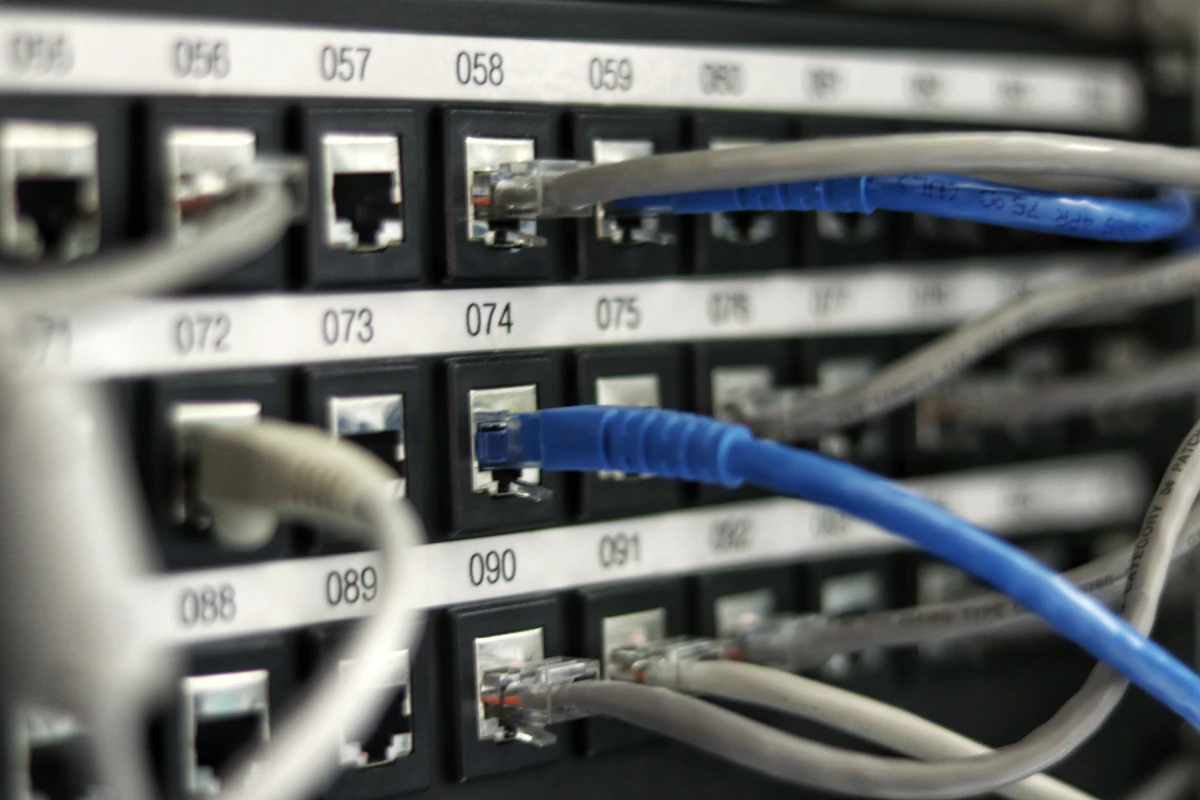
1. Basic Principles of Computer Networking
A Computer Network is 2 or more computers or devices connected together using cables or wireless Wi-Fi to share data, files, printers, and internet connection!
- Host (Client) : Any computer, phone, or laptop that requests data from network.
- Server : A powerful computer that stores files, websites, or databases and serves data to clients.
- Bandwidth : Maximum capacity of network line (e.g. 100 Mbps).
- Throughput : Actual real-world speed you get when downloading files!
💡 Pro Tip: Bandwidth is like a 4-lane highway road width. Throughput is the actual speed cars can drive on that road depending on traffic congestion!
Watch Video Tutorial (Part 1: Basic Networking Principles)
2. Types of Computer Networks & Topologies
Networks are categorized by geographical size and distance:
- PAN (Personal Area Network) : Very small range (e.g. Bluetooth connection between phone and wireless headphones).
- LAN (Local Area Network) : High-speed network inside 1 home, office room, or school lab.
- WLAN (Wireless LAN) : Wi-Fi wireless network setup.
- MAN (Metropolitan Area Network) : Network spanning across 1 whole city.
- WAN (Wide Area Network) : Large network connecting different cities and countries together (The Internet is the world's largest WAN network!).
💡 Pro Tip: Star Topology (where all computers connect to 1 central Switch box) is the most popular network design used in offices today!
Watch Video Tutorial (Part 2: Network Types & Connections)
3. Understanding ISP & Internet Technologies
An ISP (Internet Service Provider) is a telecommunication company (like Metfone, Smart, Cellcard, Ezecom) that connects your home network to the global Internet pipeline.
Connection Technologies:
- Fiber Optic (FTTH) : Uses pulses of light inside glass fibers for ultra-fast gigabit internet speed over long distances!
- Cellular (4G / 5G) : Wireless internet for mobile phones and SIM card routers.
- Ethernet Cable (Cat5e / Cat6) : Copper twisted pair cables with RJ-45 connectors used inside LAN networks.
⚠️ Network Cable Warning: Never bend Fiber Optic cables tightly at 90 degrees! Fiber cables contain thin glass strands that will snap and break inside!
Watch Video Tutorial (Part 3: ISP Technologies & Cables)
4. IP Addressing & Network Protocols
For computers to send data to each other, every device needs an address:
- IP Address (IPv4) : Numerical logical address assigned to device on network (e.g.,
192.168.1.100). - MAC Address : Physical permanent hardware ID stamped onto Network Interface Card (NIC) (e.g.,
AA:BB:CC:11:22:33). - DHCP Server : Automatically hands out IP addresses to phones & laptops when they connect to Wi-Fi.
- DNS Server (Domain Name System) : Converts website text names like
google.cominto numeric IP addresses like142.250.190.46!
💡 Pro Tip: Think of MAC Address as your social security / ID card number (never changes), and IP Address as your home mailing address (changes when you move to a new location)!
Watch Video Tutorial (Part 4: IP Addressing & Protocols)
5. Basic Network Troubleshooting Commands
When internet stops working, test network connectivity using Command Prompt (cmd):
ipconfig /all: Check if your computer received a valid IP address and Default Gateway (Router IP).ping 192.168.1.1: Ping your home router to test local LAN connection.ping 8.8.8.8: Ping Google DNS server to test if Internet line is active.tracert google.com: See every router hop your data passes through on the way to destination website server.
Watch Video Tutorial (Part 5: Network Troubleshooting Commands)
💡 Want to learn more? Check full lesson list here: All Chapters of Computer Fundamentals!
Happy networking and testing connections, my friend!